


Packed with vitamins, fibre, and powerful plant compounds, cabbage supports everything from gut health to heart health – all while being affordable, versatile, and easy to prepare.
Whether shredded into slaw, fermented into sauerkraut, or simmered into comforting soups, cabbage is a nutrient-dense powerhouse with a growing body of research supporting its benefits for immunity, digestion, heart health, inflammation, and more.
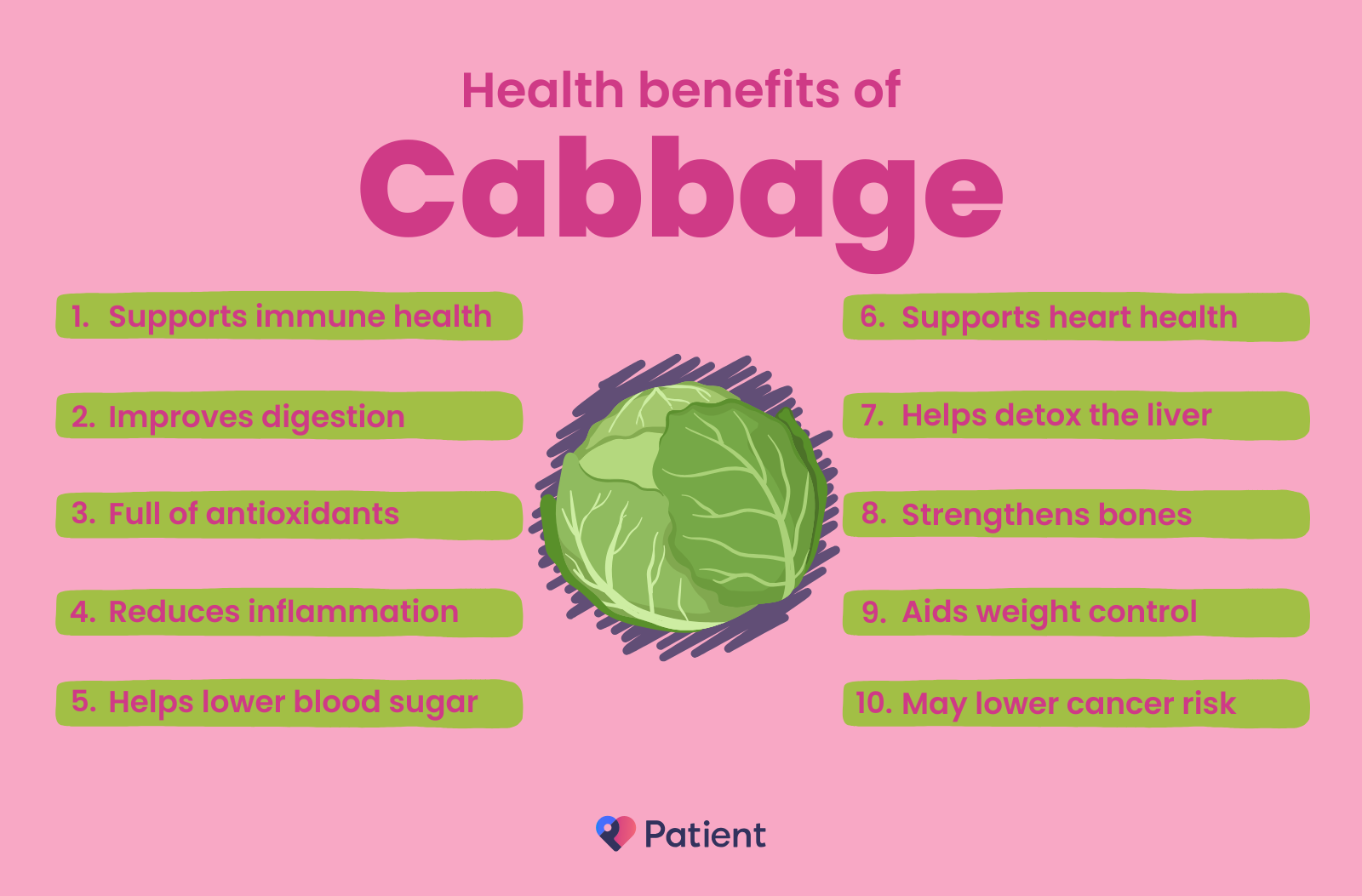
1. Supports immune health
Cabbage is packed with vitamin C, a key nutrient that helps your body fight off infections and supports antioxidant defences.
Vitamin C also plays a role in the production of white blood cells, which are essential for identifying and neutralising pathogens, helping your immune system respond more effectively to illness and stress.1
2. Improves digestion and gut health
Thanks to its fibre content, cabbage promotes regular bowel movements, feeds beneficial gut bacteria, and supports overall gut health.
Fermented cabbage such as sauerkraut and kimchi bring probiotics to the table too, which have been shown to aid digestion and strengthen the gut barrier.2
3. Promotes heart health
Red cabbage is rich in anthocyanins, powerful antioxidants that help reduce inflammation3 and protect blood vessels, lowering the risk of heart disease.
Cabbage is also a good source of potassium, a mineral that helps regulate blood pressure by balancing sodium levels and supporting healthy blood vessel function.4
4. Reduces inflammation
Cabbage contains powerful plant compounds such as sulforaphane and kaempferol that help reduce inflammation,56 a key driver of conditions such as heart disease, diabetes, and autoimmune disorders.
By helping to regulate inflammatory pathways and protect cells from oxidative stress, cabbage may support long-term health and disease prevention.
5. Provides powerful antioxidants
Cabbage is loaded with antioxidants, including vitamin C, polyphenols, and sulfur compounds, which protect your cells from damage caused by free radicals – unstable molecules in your body that can damage healthy cells.7
Diets rich in antioxidant-packed vegetables are linked to lower risk of chronic disease.8
6. Strengthens bones
Cabbage is an excellent source of vitamin K, a nutrient essential for bone health. It helps your body bind calcium, which strengthens bone structure and improves overall bone density.
Adequate intake of vitamin K is linked not only to stronger bones but also to a reduced risk of fractures and osteoporosis, especially as we age.9
7. Helps with weight management
Low in calories but high in fibre and water, cabbage helps you feel full without adding many calories. The fibre also helps slow digestion, helps control appetite, and supports steady energy levels throughout the day.10
Just one cup of raw cabbage has only about 22 calories making it a smart, satisfying addition to meals for anyone looking to maintain or lose weight.
8. Supports liver detoxification
Cabbage contains natural sulfur compounds called glucosinolates that help activate enzymes that assist the liver in breaking down, neutralising, and eliminating toxins from the body more efficiently.11
By supporting this process, cabbage helps reduce the build-up of harmful substances and supports overall metabolic and liver health.
9. Helps lower blood sugar
Cabbage is low in carbohydrates and high in fibre, which helps slow digestion and prevent sharp spikes in blood sugar levels.12
Its antioxidants may also improve insulin sensitivity, making cabbage a smart choice for people managing blood sugar or aiming to reduce diabetes risk.13
10. May lower cancer risk
Regular consumption of cruciferous vegetables has been linked to a reduced risk of several cancers, including colorectal14and lung cancer.15
As a cruciferous vegetable, cabbage contains glucosinolates that break down into bioactive compounds shown to help protect cells from DNA damage.
How you eat your cabbage can make a big difference in the nutrients you get. Here’s a quick look at what each form offers.
|
Cooked |
Fermented |
Raw |
|---|---|---|
|
Full of antioxidants |
Full of probiotics |
Rich in sulforaphane |
|
Contains glucosinolates |
Contains metabolites |
Packed with vitamin c and k |
|
Full of fibre |
Source of vitamin k2 |
Contains anthocyanins |
|
Easier to digest |
Enhances bioavailability of some nutrients |
Provides insoluble fibre |
In short:
-
Choose fermented or raw for immunity and gut heath.
-
Choose raw for high source of vitamin C.
-
Choose cooked or fermented for better digestion.
A standard serving of cabbage is around 80 grams cooked or 1 cup raw. Like other vegetables, cabbage counts toward your “5-a-day,” the recommended daily intake of fruits and vegetables for a balanced diet.
Including a serving or two of cabbage in your meals can help you meet these targets while reaping its many health benefits.
Easy ways to add cabbage to your diet
Cabbage is incredibly versatile, and there are plenty of simple, tasty ways to enjoy it as part of your everyday meals. You can:
-
Whip up a creamy coleslaw at home, or keep things simple with a shop-bought version – the perfect crunchy side for any meal.
-
Toss it into stir-fries or homemade soups to add extra texture, colour, and a satisfying crunch.
-
Enjoy it fermented as kimchi or sauerkraut for a flavour boost that’s both tangy and delicious.
-
Steam or boil it and serve as a comforting side, especially alongside cosy, hearty meals like a Sunday roast.
-
Shred it into salads or grain bowls for extra crunch and freshness without overpowering other flavours.
-
Use it as a wrap or cup in place of tortillas or buns for a lighter, crisp alternative.
-
Add it to tacos, burgers, or sandwiches for a fresh crunch that balances richer fillings.